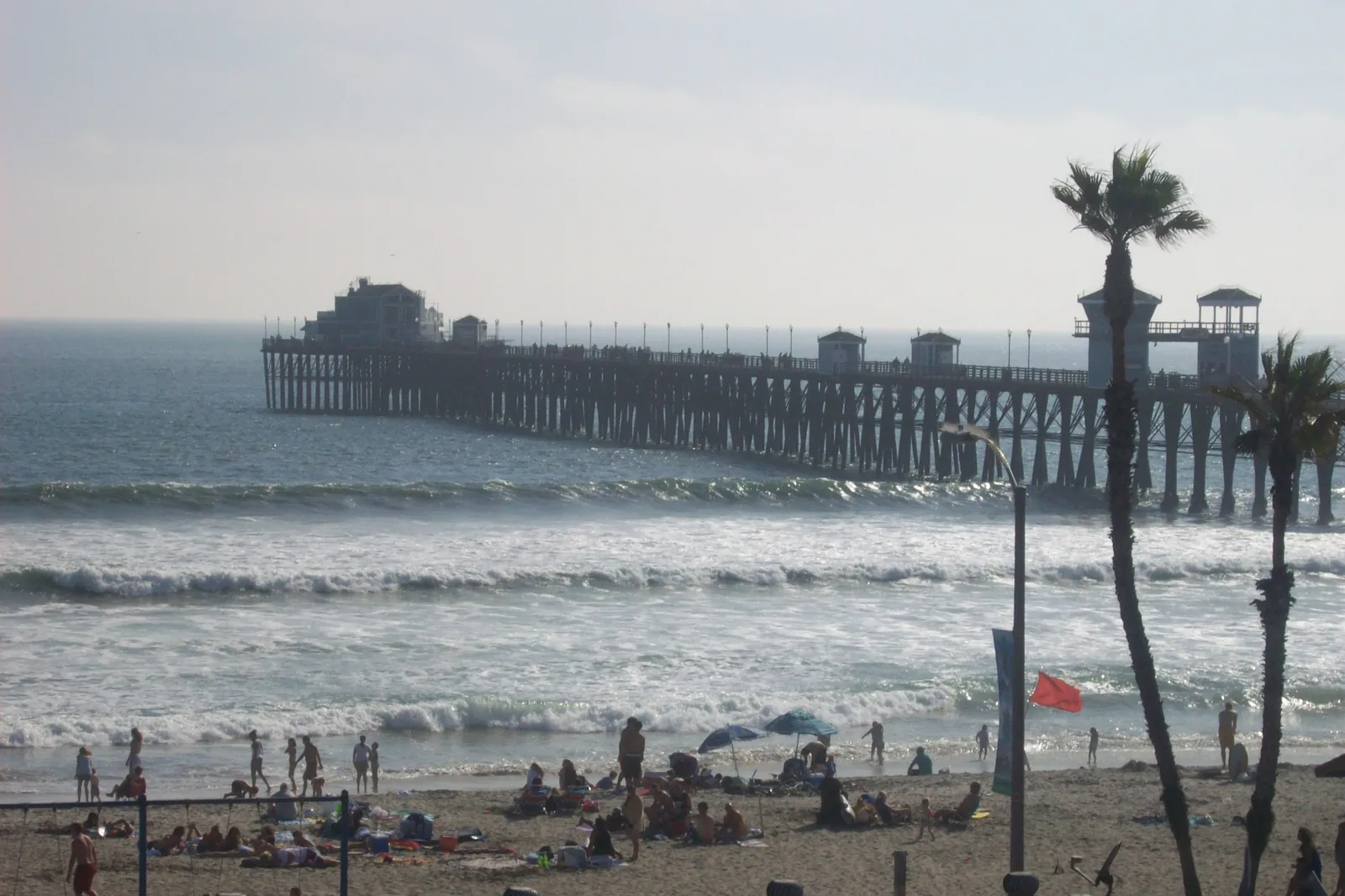
Fence Contractor in Oceanside, CA
We connect you with independent Oceanside fence contractors.
Fence Contractors in Oceanside, California
Fence Company Oceanside is a referral service for homeowners in Oceanside, California and the rest of North County San Diego. You tell us what you need, we pass it to one independent local fence contractor, and they come out and give you a free quote. There is no cost to you and nothing to sign.
We are not the crew that builds your fence, and we would rather say that on the first screen than bury it. We are the people who find you a good one. Your details go to a single contractor rather than being sold to six of them, which is the difference between one phone call and a week of them.
The reason this site exists is that fencing in Oceanside is not one job. It is two, and which one you have depends almost entirely on how far your house sits from the water.
Oceanside Is Two Towns As Far As A Fence Is Concerned
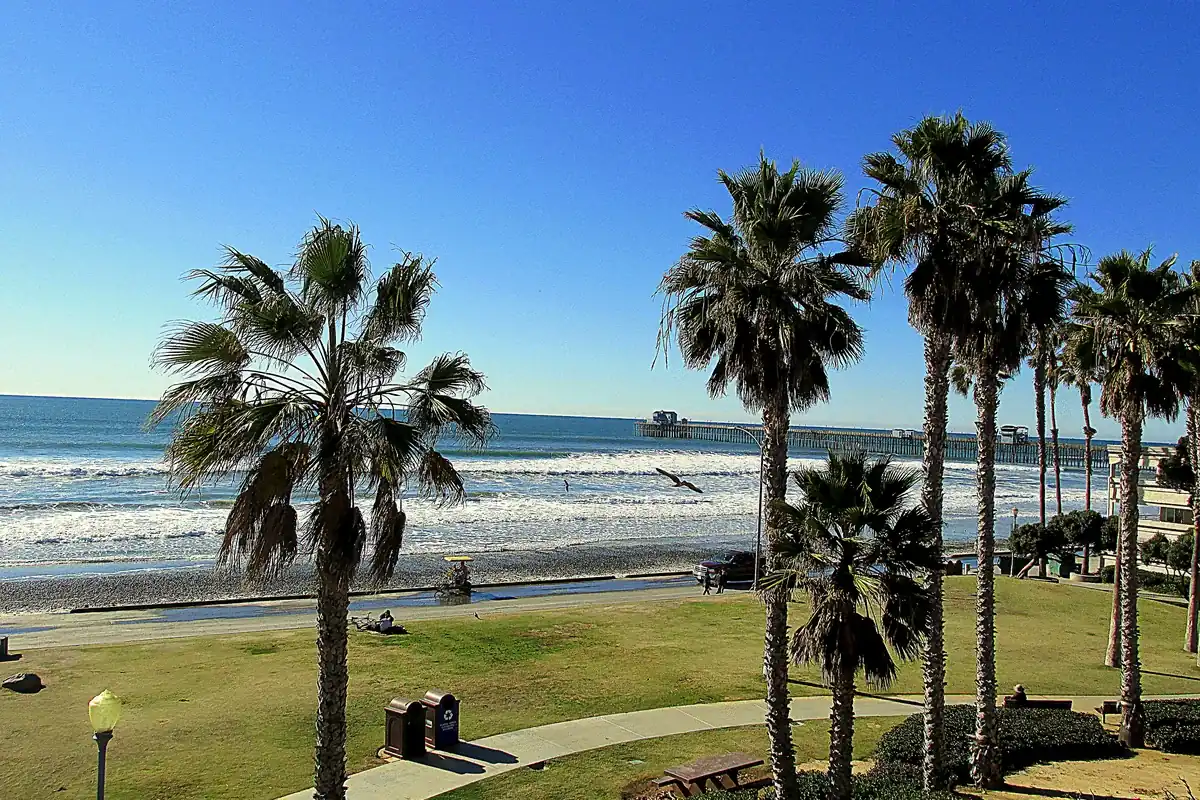
West of the freeway you are in salt air and marine layer. Humidity here sits between the mid sixties and mid seventies all year, and from May into July the marine layer covers the coastal side most mornings and does not clear until late. Fences on this side of town do not die of sun. They rot at the base and their fixings corrode from the inside of the joint outward.
Inland it flips. Less salt, less damp, more direct sun, and expansive clay underneath that swells every winter and shrinks every summer. Fences out there do not rot, they lean, because the ground itself keeps moving and slowly works the posts loose. Same city, same code, completely different fence.
A contractor who quotes the same post depth and the same hardware everywhere in Oceanside has not thought about which half of the city you are in. That question is worth asking before you compare prices.
Fence Types Built Around Oceanside
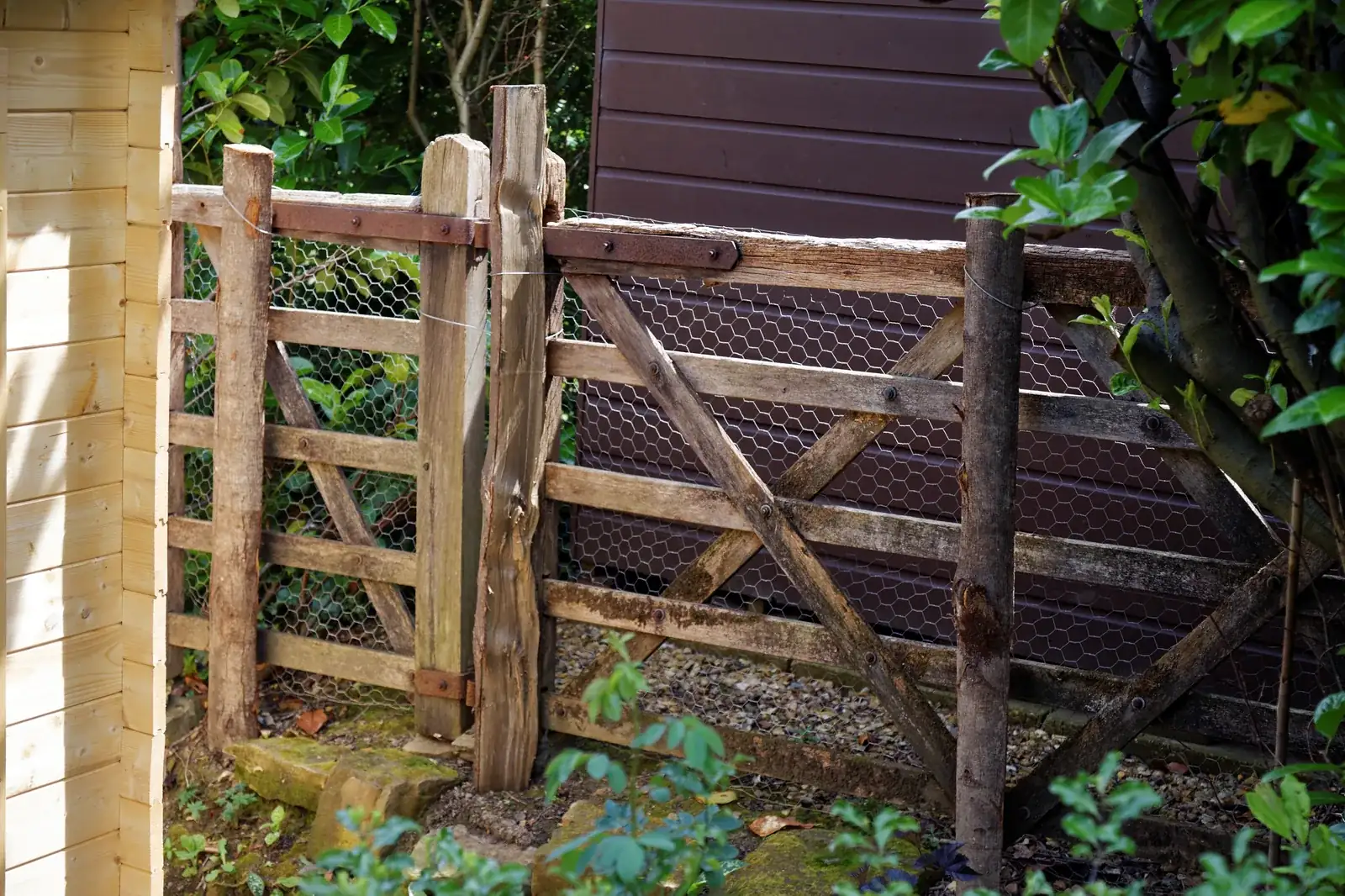
Wood Fence Installation
The default back yard fence here, and the cheapest way to get six feet of privacy. The thing to get right near the water is the fasteners, not the wood.
Learn More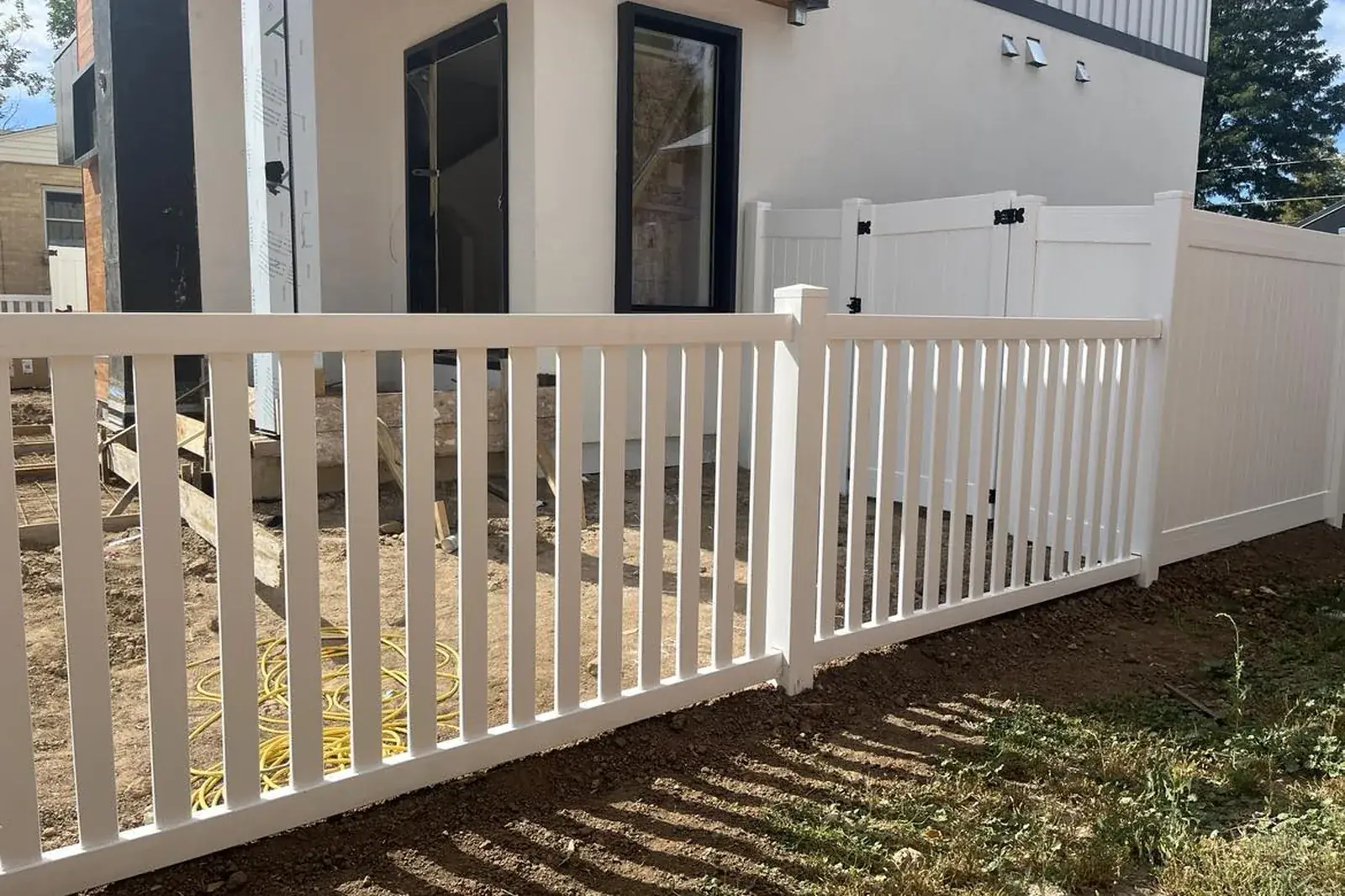
Vinyl Fence Installation
No wood to rot and no steel to rust, which is why it wins within about a quarter mile of the ocean. Costs more on day one and less over twenty years.
Learn More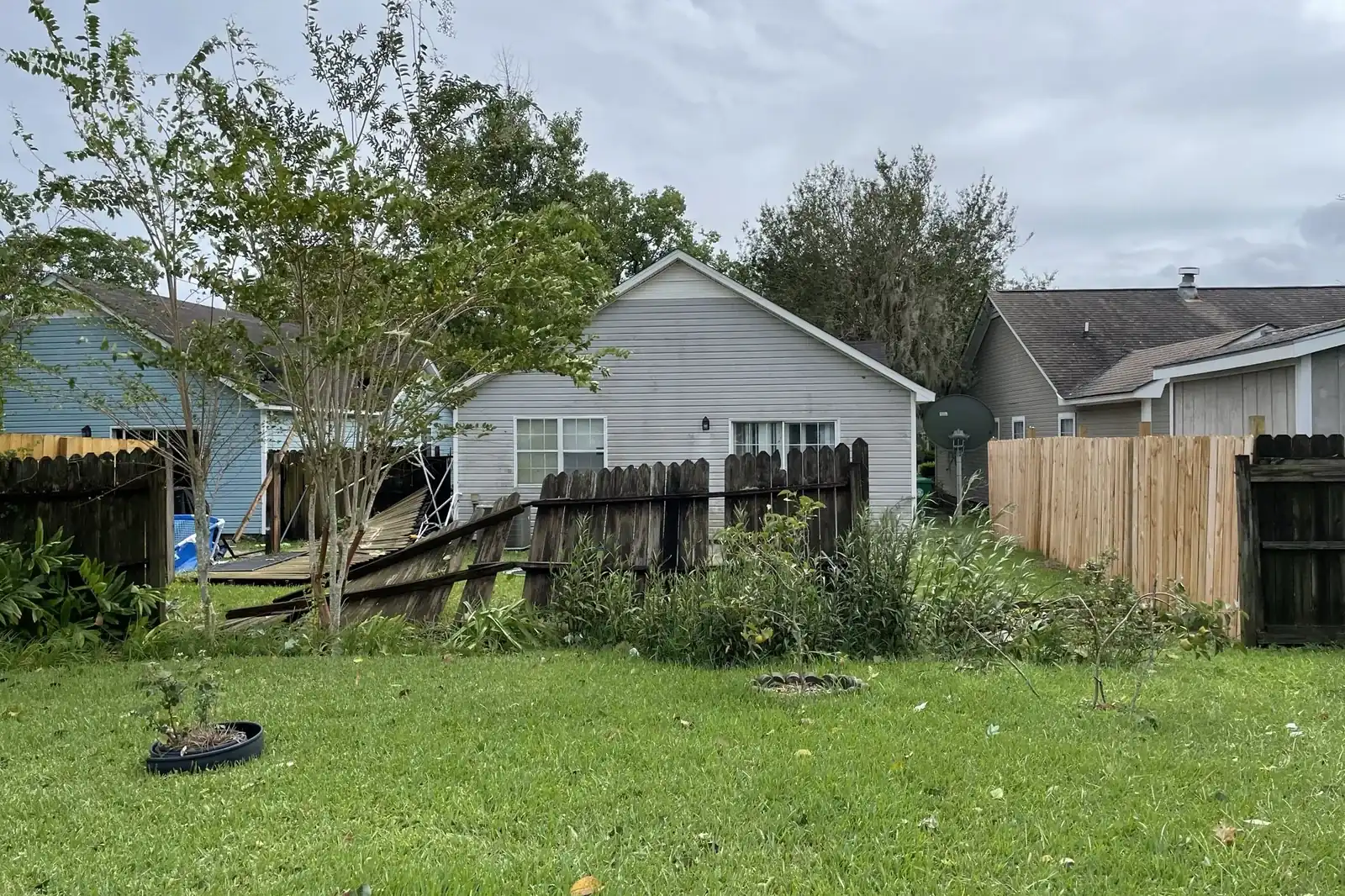
Fence Repair
Most fences that look finished are not. Corroded fixings near the coast and posts worked loose by inland clay are both far cheaper to fix than to replace.
Learn More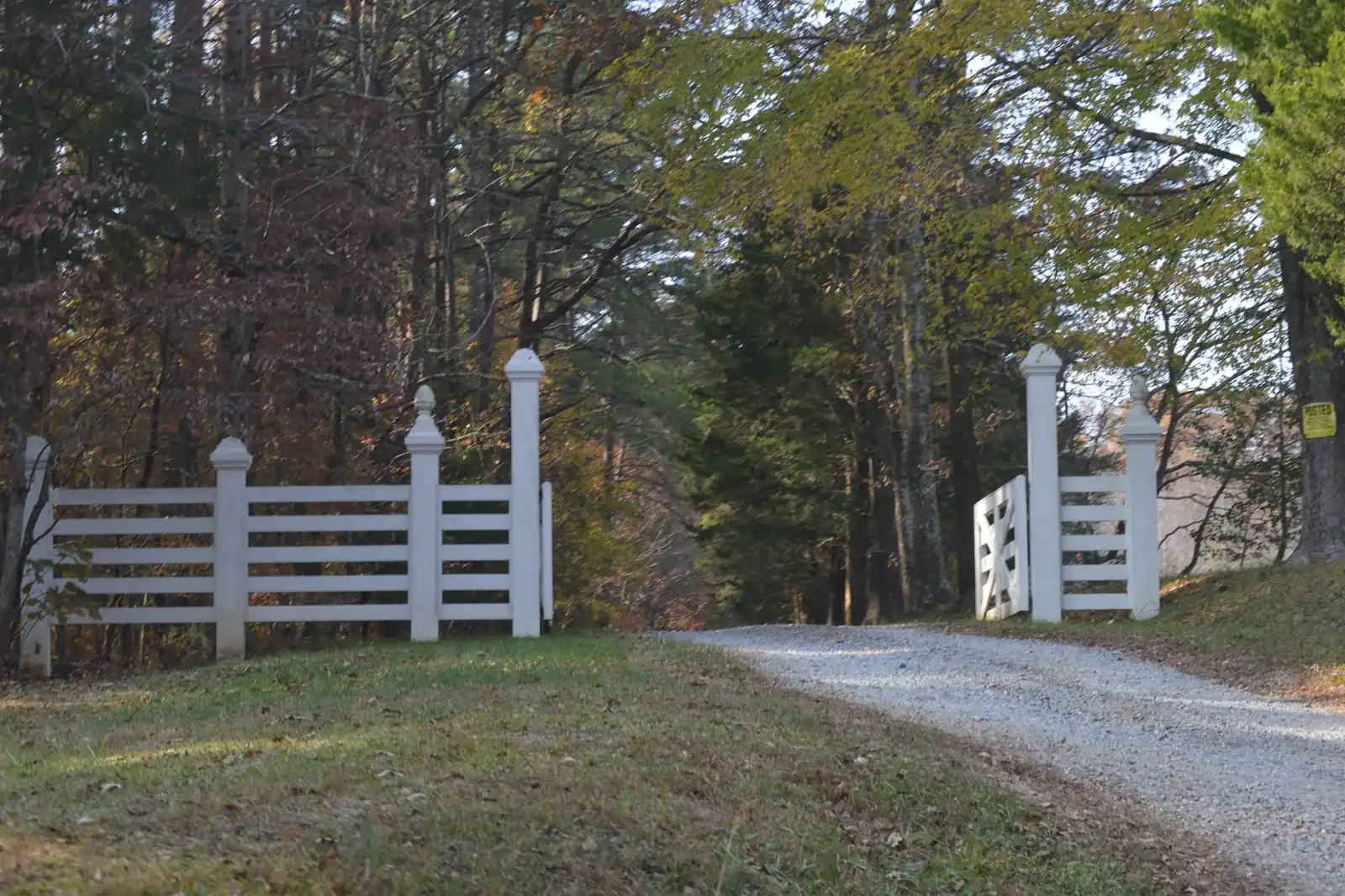
Gate Installation
The only moving part in a fence, so it fails first. The hinge post and the hardware decide whether it still latches in year eight.
Learn MoreFence Materials And How They Hold Up In Oceanside
Distance from the ocean decides this more than budget does. Salt spray concentration falls off most sharply over the first few hundred to few thousand feet from the waterline, and corrosion testing has found iron corroding roughly ten times faster at about 80 feet from the shore than at 800 feet.
Ten times, over a distance you could walk in three minutes. That single fact explains why a neighbor two streets closer to the sand has a rust problem you do not, and it is why the right answer in Townsite is the wrong answer in Rancho Del Oro.
Within About A Quarter Mile Of The Water
Vinyl is the straightforward answer, because there is no wood in it to rot and no steel in it to rust. Aluminum works too, since what forms on aluminum is a sealing oxide layer rather than a scale that flakes off and exposes fresh metal. If you want wood, you can have it, as long as the fasteners are hot dipped galvanized or stainless. Standard zinc plated fixings do not last here.
A Mile Or Two Inland, And Beyond
The calculation opens up. Wood stops fighting constant damp and performs the way wood is supposed to, which makes it the value option again. Steel is viable if it is hot dip galvanized and then powder coated, because the zinc does the sacrificial work and the powder coat keeps salt off the zinc.
Galvanized steel typically starts failing somewhere in the eight to twelve year range in high corrosion coastal spots, and considerably longer once you are properly inland. That gap is the whole argument for thinking about location before material.
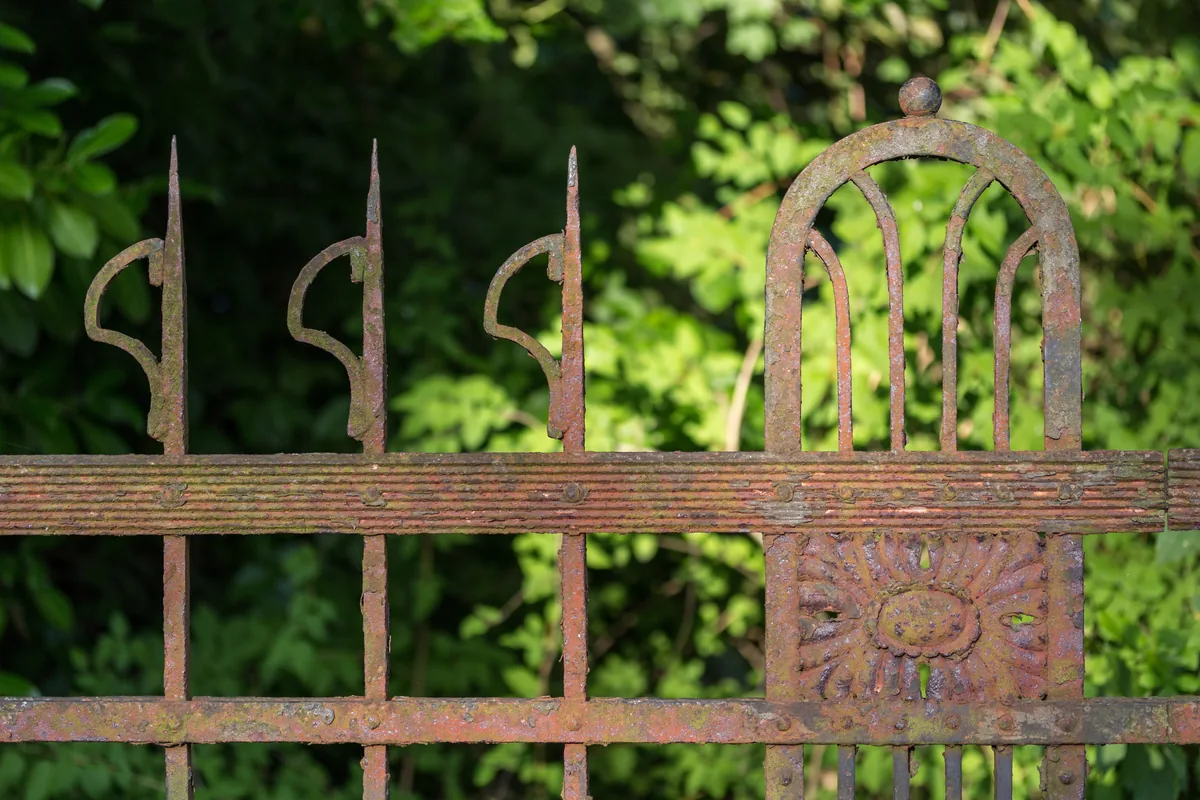
One note on terminology. What gets sold as a wrought iron fence today is almost always mild steel formed to look like it, because true wrought iron has barely been produced commercially in a century. That matters here because mild steel rusts readily and the coating system is doing all of the protecting.
How This Actually Works
You Tell Us What You Need
A phone call or the form. The most useful thing you can say is roughly how far you are from the water, because it changes the recommendation before anyone has seen the yard.
It Goes To One Contractor
Not six. One independent contractor who works your part of Oceanside. Your details are not sold on and your phone does not start ringing all week.
They Come Out And Measure
They walk the line, check the slope and the soil, and look at how a crew would get to the fence line. That last one moves the price more than people expect.
You Get A Price
A real number from a real local contractor, with no obligation. If you do not like it, nothing happens and it has cost you nothing.
Fence Pricing in Oceanside, CA
6ft Wood Privacy
6ft Vinyl Privacy
Fence Repair
Old Fence Removal
What Actually Moves The Price
Access, first and by a distance. On a normal tract lot a crew backs a truck up and runs an auger into the back yard. In Townsite or older parts of South Oceanside that often cannot happen, so the holes get dug by hand and the materials get carried in. That is real labor and it belongs in the quote.
Then the ground. Coastal sand digs fast and grips a post loosely, so depth and concrete matter. Inland clay digs harder and moves seasonally, so it wants deeper holes and more concrete for a different reason. A contractor pricing both the same way is not thinking about it.
Then gates and slope. Each gate adds roughly $150 to $500 for a walk gate and $400 to $1,000 for a double, and a fence following a grade takes longer per foot than the same fence on the flat. Nothing here is a surprise if the person quoting has actually walked the line.
From Call To Finished Fence
You Call
You describe the job. We pass it to one contractor working your part of Oceanside.
They Come Out
The line gets walked and measured, the slope and soil get checked, and the access question gets answered.
You Get The Quote
Priced against your actual yard rather than a rate card, so it should explain itself.
Scheduling And Materials
Wood is usually stocked. Vinyl in a specific color is ordered, which is why vinyl tends to start a week or two later.
The Build
Old fence out, posts set, concrete cured, then panels or boards. The concrete is the part that will not be hurried.
What The Ground Under Oceanside Does To A Fence
Three different soils sit under this city, and a post hole that works in one of them is the wrong hole in another. This is the part of a fence nobody looks at and the part that decides how long it stands.
The coastal mesas are marine terrace and sand. They dig quickly, which sounds like good news and is only half of it, because loose ground holds a post less firmly once it is in. Depth and concrete matter more here, not less.
The San Luis Rey valley is alluvial soil, carried down by the river and dropped over a very long time. It is the softest digging in the city. Same caveat applies.
The Inland Clay Is The One That Causes Leaning
East of the coastal strip the soil gets heavier and more clay rich, and clay here is expansive. It takes on water through the winter and swells, then dries through the long summer and shrinks. It does that every year, and over time that movement opens a gap around the concrete holding a post.
That is why fences in Rancho Del Oro and the inland tracts lean while fences in South Oceanside rot. Two different failures, two different causes, and two different things to ask a contractor about. Deeper holes and more concrete are the standard answer inland, and it is a real cost difference worth understanding rather than negotiating away.
Permits, Property Lines, And Calling 811
Most residential fences in Oceanside do not need a building permit, but three other things catch people out, and all three are cheaper to handle before the work than after.
The height limits come from the Oceanside zoning ordinance. Six feet is the maximum for a fence or wall anywhere on a residential lot, and retaining walls count toward that height. In a required front yard abutting a street the limit is 42 inches, which is three and a half feet and not four, whatever some sites covering this city say.
You can reach five feet in that front yard, but only if the material above 42 inches is decorative and at least 75 percent open. A solid board or privacy panel is not, so in practice a privacy fence out front stops at 42 inches. The ordinance also names chainlink specifically as not acceptable above that height.
Where A Permit Does Come In
Retaining walls. A retaining wall over four feet measured from the bottom of the footing needs a building permit and engineered plans, and so does a retaining wall of any height holding back a slope, a driveway or a structure. On a sloped lot that catches more projects than people expect. The Oceanside Building Division is at (760) 435-3950 and confirms it for a specific project.
The Property Line And The 811 Call
Call 811 at least two working days before anyone digs. It is free, it is state law, and it marks buried utilities. On the property line, California Civil Code 841 presumes neighbors share the cost of a boundary fence equally and asks for 30 days written notice before the work describing the problem, the plan and the proposed split. That presumption can be argued against, so treat this as general information about the statute rather than legal advice, and get a survey if you are genuinely unsure where the line runs.
What To Ask A Fence Contractor Before You Sign
You do not need to know anything about fences to ask good questions. You need eight of them, and the answers tell you most of what you need to know about who you are dealing with.
The first three are the ones that separate a contractor who works this coast from one who works everywhere and treats Oceanside like anywhere else.
- How far is my property from the ocean, and does that change what you would use?
- What fasteners and hardware are you quoting, and are they hot dipped galvanized or stainless?
- How deep are the post holes, and is that different here than it would be inland?
- Is any part of this a retaining wall, and does it need a permit?
- Is my front yard section staying at or under 42 inches?
- How will your crew get to the back yard, and is that priced in?
- Is the fence going on the property line, and have I notified my neighbor?
- What is not included in this number?
If someone gets impatient at the third question, that is information too. A contractor who has built here knows exactly why you are asking about fasteners, because they have been called back to fix somebody else's.
FAQ
How tall can a fence be in Oceanside?
−Do I need a permit for a fence in Oceanside?
+Are the fence rules different near the beach?
+What is the best fence material for Oceanside?
+Does the marine layer actually damage a fence?
+How much does a fence cost in Oceanside?
+Who pays for a fence between two neighbors in California?
+Are you the contractor who builds the fence?
+Areas We Cover


Fence Guides For Oceanside Homeowners
Get A Free Fence Estimate
Tell us what you need. We pass it to one local contractor who comes out, measures, and gives you a price. No cost, and nothing to sign.
Call Now(747) 307-5501We connect you with independent Oceanside fence contractors.