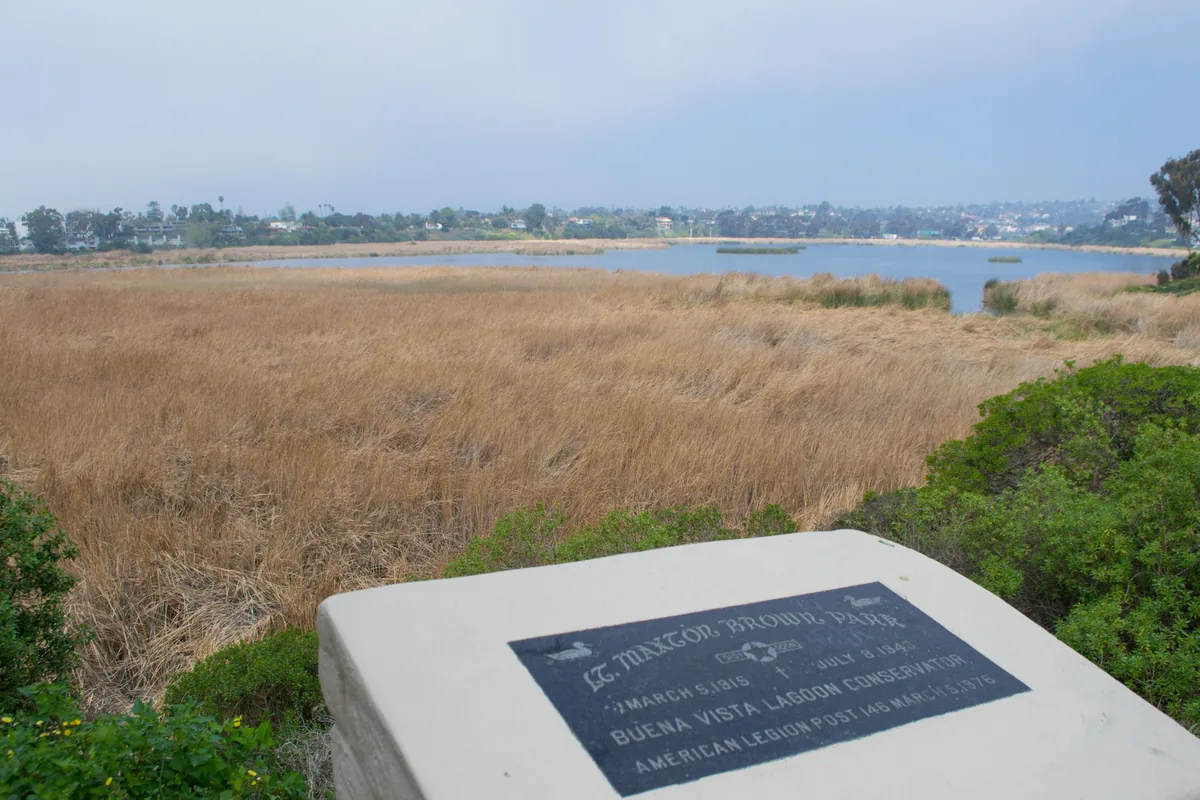
Oceanside Coastal Zone Fence Rules
We connect you with independent Oceanside fence contractors.
Oceanside's zoning ordinance is currently in an unusual state, and if you live on the western side of the city it is worth understanding before you build anything. The City Council has adopted revisions to the ordinance. Those revisions are in effect inland. For property inside the coastal zone they are not, because the California Coastal Commission has not certified them yet.
What The Ordinance Itself Says
This is not something you have to take on trust. Open the city's zoning ordinance and the note is printed on the bottom of the pages. It says that bold, underlined or stricken text indicates City Council adopted revisions, in effect in inland areas only, and that California Coastal Commission certification of an LCPA for coastal zone properties is currently pending.
An LCPA is a Local Coastal Program Amendment. Oceanside's Local Coastal Program is the document that governs development in its part of the coastal zone, and changes to it have to be certified by the Coastal Commission before they take effect there. Until that happens, the city can change its rules inland while the coastal zone stays on the previously certified version.
The Honest Answer About Fence Heights
Here is the part where it would be easy to oversell this, so we will not. For fence heights specifically, the numbers are currently the same on both sides of the line.
Article 10 covers inland residential districts. Article 10C covers residential districts in the coastal zone. Both say the maximum height of a fence or wall including retaining walls is six feet, both drop it to 42 inches in a required front yard abutting a street, and both allow five feet out front where the material above 42 inches is decorative and at least 75 percent open. Both name chainlink as not acceptable above 42 inches.
So if you were expecting to find that beach houses get different fence heights, they do not. Anyone telling you otherwise is guessing.
So Why Does It Matter?
Three reasons, and they are all about the things around the fence rather than the fence height itself.
The first is that the two documents are being maintained separately right now. When the rules are identical, that is invisible. When a revision is adopted and takes effect inland while the coastal zone waits, they diverge, and which document governs your property becomes a real question rather than a technicality.
The second is that a Coastal Permit is a separate thing from a building permit. The city's Local Coastal Program covers the whole geographic coastal zone, and certain projects within it require a Coastal Permit, which is a discretionary permit rather than a counter transaction. Whether a given project needs one is a question for the Planning Division, not something to assume either way.
The third is that Oceanside's appeal jurisdiction area, the strip where decisions can be appealed to the Coastal Commission itself, is generally within about 300 feet of the coastline. If you are in that band you are in the most closely watched part of the city and it is worth knowing that before you plan anything unusual.
How To Find Out Which Side You Are On
There is no reliable shortcut. Being able to see the ocean does not put you in the coastal zone and being a mile inland does not necessarily keep you out of it, because the boundary follows a mapped line rather than a distance.
The Oceanside Planning Division at (760) 435-3520 can tell you whether a specific address is inside the coastal zone. That one phone call is worth making before you spend money, and it is free.
For a standard residential fence at or under the height limits, this is mostly background rather than a hurdle. It becomes important when a project is unusual, close to the water, or involves a retaining wall or grading.
The Ordinance Was Consolidated, Which Adds To The Confusion
One more thing worth knowing if you go looking. Oceanside used to have three separate zoning ordinances covering Downtown, inland and the coastal zone. Those have been consolidated into a single ordinance.
That is a genuine improvement, but it means older advice and older web pages refer to documents that no longer exist as separate things, while the consolidated ordinance still keeps parallel articles for inland and coastal districts. If you are reading something about Oceanside fence rules that does not mention the consolidation, it may predate it.
What To Actually Do
- Call Planning at (760) 435-3520 and ask whether your address is in the coastal zone
- If it is, ask whether your project needs a Coastal Permit as well as any building permit
- For a normal fence at or under six feet, expect the answer to be straightforward
- For a retaining wall, grading, or anything within about 300 feet of the coastline, expect more questions
- Do not assume a contractor knows. Working in the city and having been through coastal zone review are two different things
This is a description of how the city's own published documents are structured as of August 2026, not legal or planning advice. The pending certification is exactly the kind of thing that changes, and the Planning Division is the authority on where it stands today.

Get a free quote from an Oceanside fence contractor
Tell us what you need. We pass it to one local contractor who comes out, measures, and gives you a price. No cost, and nothing to sign.
Call Now(747) 307-5501We connect you with independent Oceanside fence contractors.